


We’re all familiar with the saying “the devil is in the details.” When it comes to downloading apps, it might be worthwhile to check out the developer’s details before allowing access to your smart device especially if you’re using an Android. You may inadvertently give permission to complete strangers to mine your personal data and use as if it were their own.
Apps for Androids use open source software as the basis for each program meaning it is available to the general public and open to any and everyone. There are no safety features built in to protect your personal data and some apps infiltrate your device when you agree to their terms.
The developers at Apple must meet certain guidelines and submit their programs for approval. If it isn’t approved it cannot be listed or sold. This is NOT an endorsement for Apple products – it is a comparison to help consumers understand the choices they make when dealing with Apple and Android apps.
Take a moment to read before you click on agree and make sure you are comfortable with your decision to purchase an app. They are not all the same and there is no generic warning or advice in place. Small print can make a big difference in how and what you buy. Common sense is the best approach to using your purchasing power and there is no app for that!
I will be doing a radio interview on March 22,2015 with Greg Friedman on KXRN 93.5fm Laguna Beach’s only FM station. For updated info please visit http://kx935.com/show/innerjourney
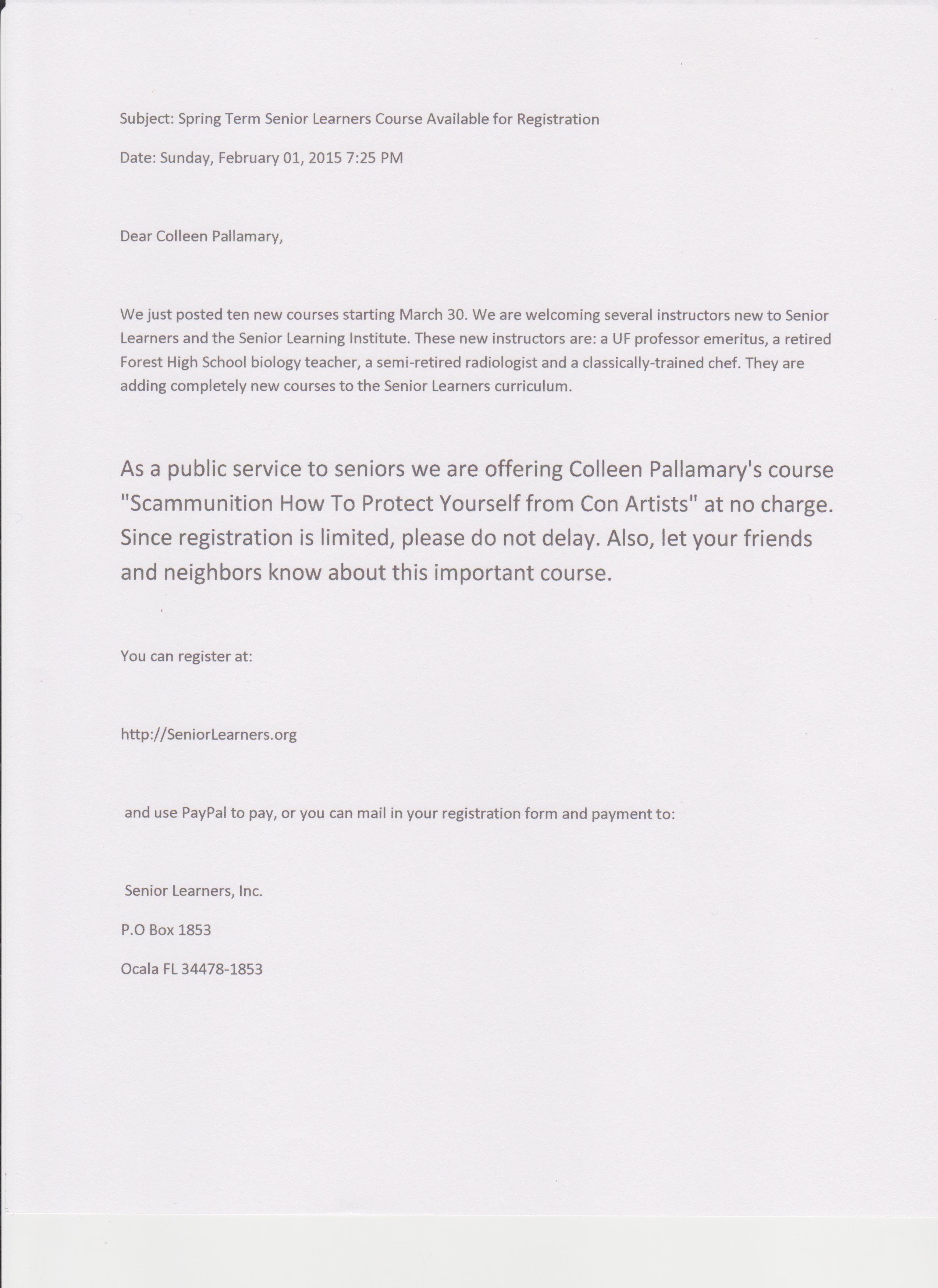
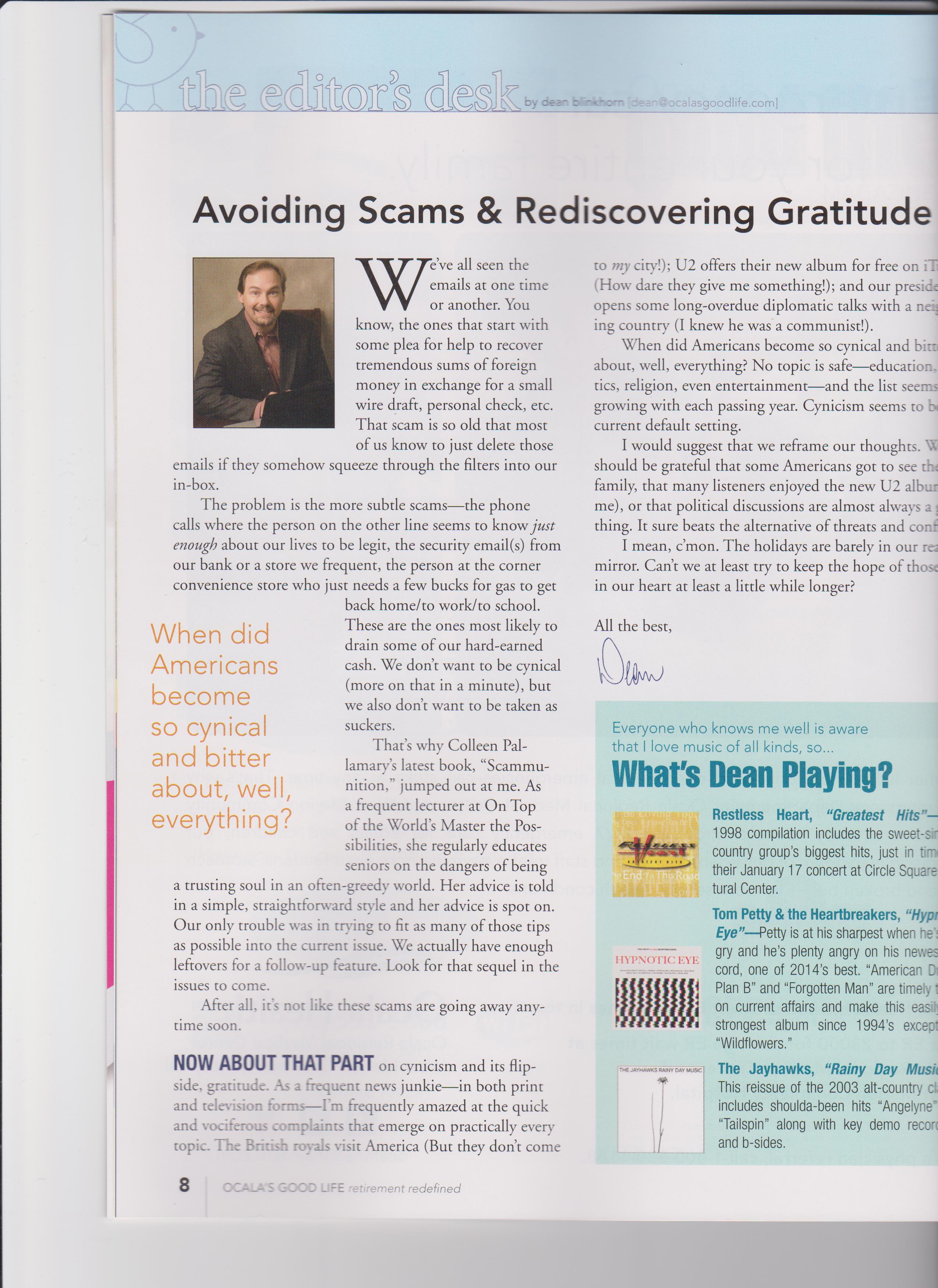
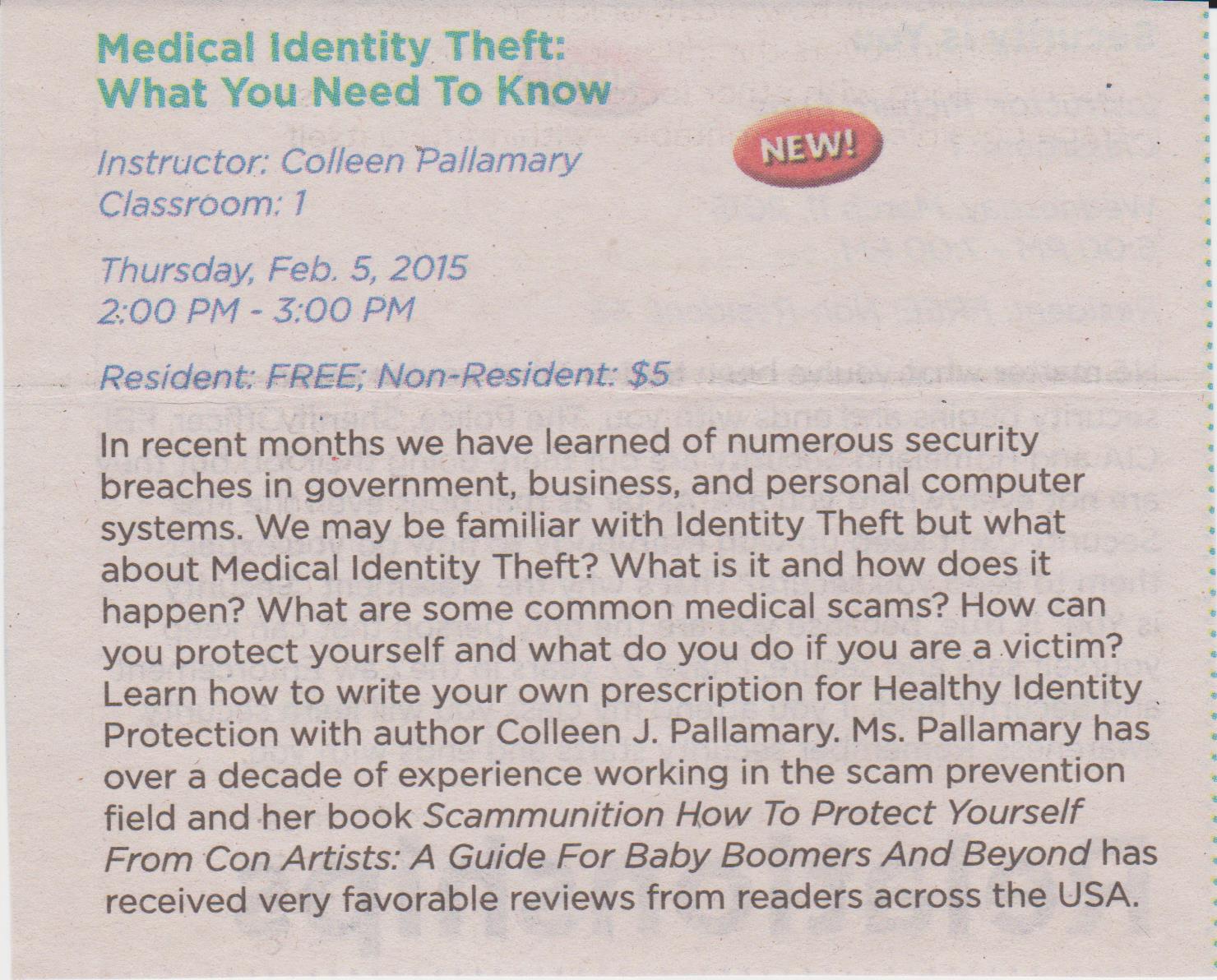 Please call 352-854-3699 to register. Come learn how to protect yourself against this rapidly rising form of Identity Theft. Hope to see you there!
 Please call 352-854-3699 to register. This is NOT a certification class. We will be learning the basic concepts of CPR and AED use. Come join us for an informational class!
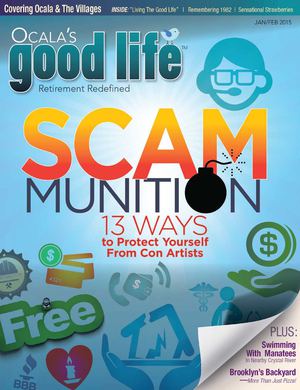 Grateful to Ocala The Good Life Magazine for featuring Scammunition as their cover story! Here’s how to take a peek! http://bit.ly/1D7vHd6
 http://www.prweb.com/releases/TheVampirePreservation/Society/prweb12393302.htm
Available on Amazon.com !